
Masks & Peels Price in Bangladesh
Filter by Concern
Filter by Ingredients
Filter by Brands
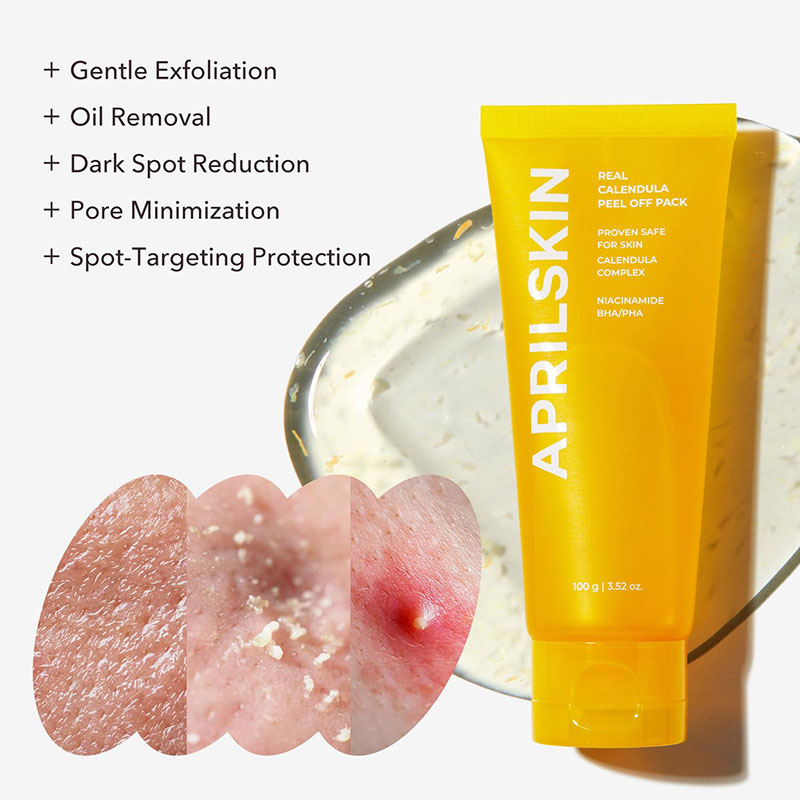
Aprilskin Real Calendula Peel Off Mask 100g

Arencia Retinal Boosting Eye Mask 60 EA
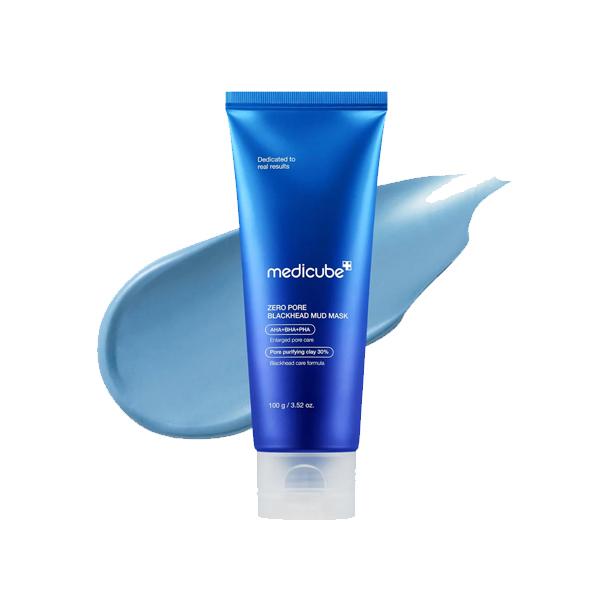
Medicube Zero Pore Blackhead Mud Mask 100g – Deep Cleansing & Pore-Refining Korean Mud Mask
Masks & Peels Price in Bangladesh: Format Match, Frequency Rules, and Authentic Picks
A face mask (ফেস মাস্ক) or peel is a wash-off treatment that targets a specific concern in 5 to 20 minutes. This page covers wash-off masks and chemical peels only. Sheet masks live on our Sheet Masks subcategory. Sleeping masks live on our Sleeping Masks subcategory. Daily exfoliating toners live on our Scrubs & Exfoliators subcategory. Authentic Makeup Store BD has stocked imported masks and peels since 2019. Every jar and bottle clears our verification desk before listing.
How much do masks and peels cost in Bangladesh?
Mask and peel prices in Bangladesh fall into four bands. BDT 200 to 700 covers Mamaearth, Plum, Lakme, and Pond’s clay masks. BDT 700 to 1,500 covers The Ordinary AHA 30% BHA 2%, Some By Mi, and Innisfree clay. BDT 1,500 to 3,000 covers Pixi Glow Mud, Drunk Elephant, and Kiehl’s. BDT 3,000 plus covers Sulwhasoo, Dr. Jart+, and salon-style modeling masks.
Prices below reflect typical retail in Bangladesh as of [INSERT DATE] and are reviewed quarterly.
| Price Tier (BDT) | Typical Brands | Format Level | Active Strength | Best For |
| 200–700 | Mamaearth, Plum, Lakme, Pond’s clay | Mass | Basic clay or fruit enzymes | Beginner, weekly use |
| 700–1,500 | The Ordinary 30/2, Some By Mi, Innisfree | Mid functional | AHA 30%, BHA 2%, charcoal, kaolin | Weekly treatment |
| 1,500–3,000 | Pixi Glow Mud, Drunk Elephant, Kiehl’s | Premium | Multi-acid blends, encapsulated | Targeted concerns |
| 3,000+ | Sulwhasoo, Dr. Jart+, modeling masks | Luxury / K-beauty | Spa-grade actives, modeling | K-beauty enthusiast |
BDT-per-use math for masks vs peels
Masks and peels are weekly products, so size matters less than per-use cost. A 100g clay mask jar at BDT 800 gives roughly 30 uses, which works out to BDT 27 per use. A 30ml peel bottle at BDT 1,200 gives roughly 15 uses, which works out to BDT 80 per use. Peels cost more per use because the actives are stronger. A sheet mask at BDT 150 to 250 is a single use. Authentic Makeup Store BD lists per-use estimates on premium SKUs so the math is visible at checkout.
What is the difference between a peel-off mask and a chemical peel?
A peel-off mask is a mechanical product you spread on, let dry, then tear off. A chemical peel is an acid that dissolves dead skin cells without any visible peeling. The two are completely different products despite the shared word. Peel-off masks work by physical pull. Chemical peels work by chemistry.
This is the single most confused pair in the BD skincare category. The satisfying peel of a black charcoal mask is what damages your skin. The chemical peel that does nothing visible is the one actually treating it.
Why peel-off charcoal masks damage the barrier
The satisfying tear from a peel-off charcoal mask pulls more than dead skin. It pulls vellus hair, sebaceous filaments, and the lipid layer that holds your skin barrier together. The shiny clean look right after is barrier disruption, not deep cleansing. The pores it pulls from refill within hours because the underlying oil glands are untouched. Authentic Makeup Store BD does not stock peel-off charcoal masks for this reason.
What a chemical peel actually does
A chemical peel uses acids to loosen the bonds between dead skin cells on the surface. AHA acids like glycolic and lactic work on sun damage and dullness. BHA acids like salicylic work inside oily pores. PHA acids like gluconolactone work gently on sensitive skin. Enzyme peels from papain or bromelain are the mildest option. None of these cause visible peeling at normal use.
→ Internal link: For daily exfoliating toners like COSRX AHA/BHA and Some By Mi AHA-BHA-PHA, see our Face Care > Scrubs & Exfoliators subcategory.
What types of wash-off face masks are there?
There are seven wash-off mask formats in common use. Clay masks pull oil from oily skin. Mud masks go deeper for severe oiliness. Charcoal masks target congested pores. Gel masks hydrate sensitive skin. Cream masks nourish dry skin. Hydrogel jar masks deliver bouncy hydration. Modeling masks are spa-style powder-and-water blends.
| Format | Best For | Texture | Use Frequency | Price (BDT) |
| Clay mask (kaolin) | Oily skin, mild congestion | Smooth paste | 1x/week | 300–1,800 |
| Mud mask (bentonite) | Severe oiliness, blackheads | Thick paste | 1x/week | 400–2,000 |
| Charcoal mask | Pore cleansing, oily skin | Black paste | 1x/week | 500–2,000 |
| Gel mask | Hydration, sensitive skin | Cool gel | 2–3x/week | 400–2,500 |
| Cream mask | Dry skin, mature skin | Rich cream | 2x/week | 700–3,000 |
| Hydrogel jar mask | Hydration, all skin types | Bouncy gel | 2x/week | 800–2,800 |
| Modeling mask | Spa-style treatment | Powder + water mix | 1x/month | 1,500–3,500 |
The format depends on what your skin needs that week. Oily skin in Dhaka monsoon often wants clay or charcoal once weekly to pull out the sweat-trapped grime. Dry skin in Dhaka winter wants cream or hydrogel jars to flood the barrier with moisture. Sensitive skin should skip clay and charcoal in favour of gel masks. Mature skin benefits from cream masks twice a week.
AHA, BHA, PHA, or enzyme — which chemical peel should I start with?
There are four chemical peel families and the right starting choice depends on your skin and your goal. AHA peels work on dull or sun-damaged skin. BHA peels work on oily or acne-prone skin. PHA peels suit sensitive skin. Enzyme peels are the mildest and suit absolute beginners. Start at the lowest strength and use once weekly.
| Peel Family | What It Targets | Strength Level | Best For | Risk Level |
| AHA (glycolic, lactic) | Dull skin, pigmentation, fine lines | Low to high | Sun damage, dullness | Medium |
| BHA (salicylic) | Blackheads, oily skin, acne | Medium | Oily, acne-prone skin | Medium |
| PHA (gluconolactone) | Gentle exfoliation, sensitive skin | Low | Sensitive, rosacea-prone | Low |
| Enzyme (papain, bromelain) | Surface dullness, mild concerns | Very low | Beginners, sensitive skin | Very low |
The frequency rule is one peel per week to start, with at least 3 days between any peel and your retinol night. After 4 weeks of weekly use without irritation, you can move to twice weekly. Signs you are overdoing it: persistent redness, tightness, stinging that lasts beyond the first 30 seconds, or skin that feels thinner. SPF the day after a peel is non-negotiable because new surface cells burn faster.
Which mask or peel suits your concern and Dhaka’s climate?
The right mask or peel depends on your concern. Oily skin and blackheads need a clay or charcoal mask once weekly. Dull skin and pigmentation need an AHA peel once weekly. Acne-prone skin needs a BHA peel once weekly. Sensitive skin needs a PHA or enzyme peel. Dry skin needs a hydrogel jar or cream mask twice weekly.
| Concern | Best Format | Key Ingredients | Typical Price (BDT) |
| Oily skin, blackheads | Clay or charcoal mask | Kaolin, bentonite, charcoal | 400–1,500 |
| Dull skin, pigmentation | AHA chemical peel | Glycolic, lactic acid | 600–2,500 |
| Acne-prone, congested pores | BHA chemical peel | Salicylic acid | 700–2,500 |
| Sensitive skin, gentle exfoliation | PHA or enzyme peel | Gluconolactone, papain | 800–2,800 |
| Dry, dehydrated skin | Hydrogel or cream mask | HA, ceramides, panthenol | 600–2,500 |
Dhaka’s climate changes the format choice through the year. Monsoon humidity at 80 percent makes clay and charcoal masks helpful for oily skin because sweat traps grime in pores. Winter at 40 percent humidity makes the same clay masks too drying, so switch to gel or hydrogel jars. AC offices keep skin dehydrated year-round, so even oily-skin buyers in Dhaka and Chattogram benefit from a weekly hydrogel jar. Buyers in Sylhet, Rajshahi, and Khulna face the same seasonal swing.
Recently added mask and peel picks in Bangladesh ([INSERT YEAR])
Three mask and peel trends are shaping the Bangladesh shelf right now. PHA gentle peels have grown fastest since 2024 because more buyers want exfoliation without irritation. Ceramide-led clay masks from Some By Mi and similar brands have moved into the mid tier at BDT 1,000 to 1,500. Halal-certified clay masks from Lafz and similar local brands have gained share with buyers who want alcohol-free options at Authentic Makeup Store BD.
How do you know your mask or peel is real in Bangladesh?
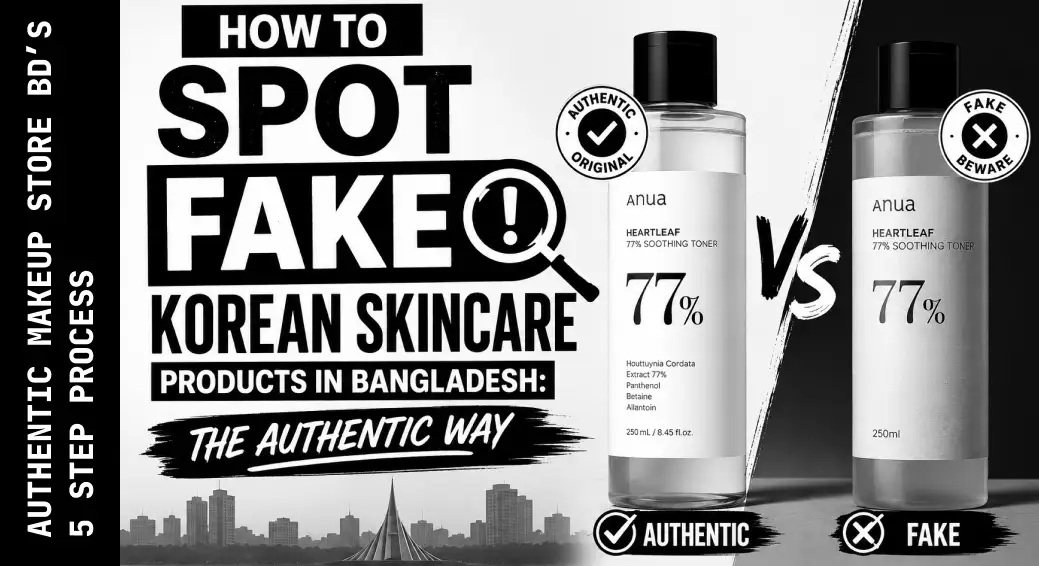
A real mask or peel matches the brand’s stated weight, batch code, hologram, foil seal, and printed expiry. Fakes in Bangladesh usually slip on weight and dropper quality first. The price floor is the cleanest signal. The Ordinary AHA 30% BHA 2% Peeling Solution sold under BDT 600 is almost certainly fake, because the genuine import cost alone clears that mark.
The most-faked masks and peels in Bangladesh
Our verification desk has rejected fakes for the same names every month for years.
The Ordinary AHA 30% BHA 2% Peeling Solution is the single most-faked peel in Bangladesh. Fake 30ml bottles sell at BDT 350 to 550 on general marketplaces. Real imports at Authentic Makeup Store BD start at BDT 900 plus. Fake bottles often have lighter red colour, thinner liquid, and weak acid smell.
Some By Mi AHA-BHA-PHA 30 Days Miracle Wash-Off Mask is heavily cloned. Fake jars run 95g instead of the real 120g. The real version at Authentic Makeup Store BD sits at BDT 1,500 plus. Fake jars often have weaker scent and chalkier texture.
Innisfree Super Volcanic Clay Mask is the most-faked Korean clay mask in BD. Fake jars are lighter, the clay is grey-toned instead of the real beige, and the texture is gritty rather than smooth. Real Innisfree imports start at BDT 1,200 plus.
What Authentic Makeup Store BD checks before listing
- Direct import paperwork from the brand owner or authorised distributor.
- Jar, bottle, or tube weight against the brand’s published spec.
- Foil seal, batch code traceability, and shrink-wrap finish.
- Hologram placement and print quality on premium SKUs.
- Scent, colour, and texture against a known-real reference held at our desk.
The price-floor rule is the cleanest check a buyer can run without lab tools. The Ordinary 30/2 under BDT 600. Some By Mi AHA-BHA-PHA mask under BDT 900. Innisfree Volcanic Clay under BDT 800. Any of those is almost certainly fake. That is the single rule we tell buyers in Dhaka, Chattogram, Rajshahi, and Khulna when they ask about marketplace deals.
Masks & Peels related FAQ
Can I use a clay mask and a chemical peel in the same routine?
Not on the same day. Clay strips oils, peels remove dead cells. Stacking both irritates the barrier. Use clay mask one night, peel two nights later. Space them 2 to 3 days apart. Skip both on retinol nights.
Will The Ordinary AHA 30% BHA 2% really make my face peel?
Not always, but it can sting and turn skin red for 15 to 20 minutes. The 30% acid concentration is high and not for beginners. Use under 10 minutes, weekly maximum, and never on broken or sunburnt skin. SPF the next day is non-negotiable.
Why do my pores look bigger after a clay mask?
They do not actually get bigger. Clay pulls oil and grime from inside the pore, which temporarily makes the opening more visible against cleaner surrounding skin. Pore size returns to normal within hours. Frequent clay masking does not shrink pores permanently.
Is it safe to use a face mask during pregnancy?
Clay masks, hydrating gel masks, and enzyme peels are generally safe. Skip salicylic acid BHA peels, retinol-containing masks, and high-strength AHA peels during pregnancy. Always check with your obstetrician. Halal-certified fragrance-free masks are a good default choice.
What are Masks & Peels and how do Masks & Peels work in skincare?
Masks & Peels are intensive skincare treatments designed to deeply cleanse, treat, and improve skin texture beyond daily products. Masks deliver concentrated ingredients for hydration, detox, or nourishment, while peels use exfoliating acids to remove dead skin cells. Together, they help renew and refresh the skin surface.
How should Masks & Peels be used in a skincare routine?
Masks should be used 1–3 times per week depending on skin sensitivity and type, while peels are used less frequently based on tolerance. Apply to clean skin and leave on for the recommended time before rinsing or neutralizing. Always follow with moisturizer to restore hydration and protect the skin barrier.
Are Masks & Peels suitable for all skin types including sensitive, oily, and dry skin?
Yes, Masks & Peels can be used for all skin types, but selection is important. Hydrating masks suit dry skin, clay masks benefit oily skin, and gentle enzyme peels are better for sensitive skin. Strong chemical peels should be used cautiously based on skin tolerance, and frequency should not exceed 1–3 times per week depending on skin type.
How do Masks & Peels compare with exfoliants and daily cleansers?
Masks & Peels provide deeper treatment compared to daily cleansers, which only remove surface impurities. Exfoliants work more frequently to maintain skin smoothness, while peels offer stronger resurfacing effects. Masks focus more on nourishment and targeted skin improvement.
What ingredients are commonly found in Masks & Peels and how do they function?
Masks often contain ingredients like clay, hyaluronic acid, aloe vera, and vitamin C, while peels include AHAs, BHAs, and fruit enzymes. Clay absorbs oil and impurities, acids exfoliate dead skin cells, and hydrating agents restore moisture. These ingredients improve brightness, texture, and clarity.
What are the benefits of using Masks & Peels regularly?
Regular use of Masks & Peels helps improve skin texture, reduce dullness, and unclog pores. They enhance hydration, promote cell turnover, and support clearer skin. Following the recommended 1–3 times per week frequency for masks and tolerance-based frequency for peels prevents irritation while achieving a smoother, brighter, and more refined complexion.
Are there any risks or side effects of using Masks & Peels?
Overuse of Masks & Peels can lead to irritation, redness, or skin barrier damage, especially with strong acids. Sensitive skin may react to harsh formulations or long application times. Exfoliating 1–3 times per week depending on skin type and following product instructions reduces these risks.
How do you choose the right Masks & Peels for your skin concerns?
Choosing Masks & Peels depends on skin goals and sensitivity. Hydrating masks are best for dryness, clay masks for oil control, and brightening masks for dull skin. For peels, gentle enzyme or low-strength acid formulas are ideal for beginners, and frequency should match skin tolerance.
Can Masks & Peels be combined with moisturizers, serums, or other skincare products?
Yes, Masks & Peels work best as treatment steps followed by moisturizers and serums. After peeling or masking, hydration products help restore balance and strengthen the skin barrier. However, strong actives should not be layered immediately after intense peels.
Why should Masks & Peels be included in a skincare routine purchase decision?
Masks & Peels are important because they provide deeper skin treatment that daily skincare cannot achieve. They help renew skin, improve clarity, and boost overall skin health. Including them in a routine enhances long-term skin radiance and effectiveness of other products.
Masks & Peels Blogs