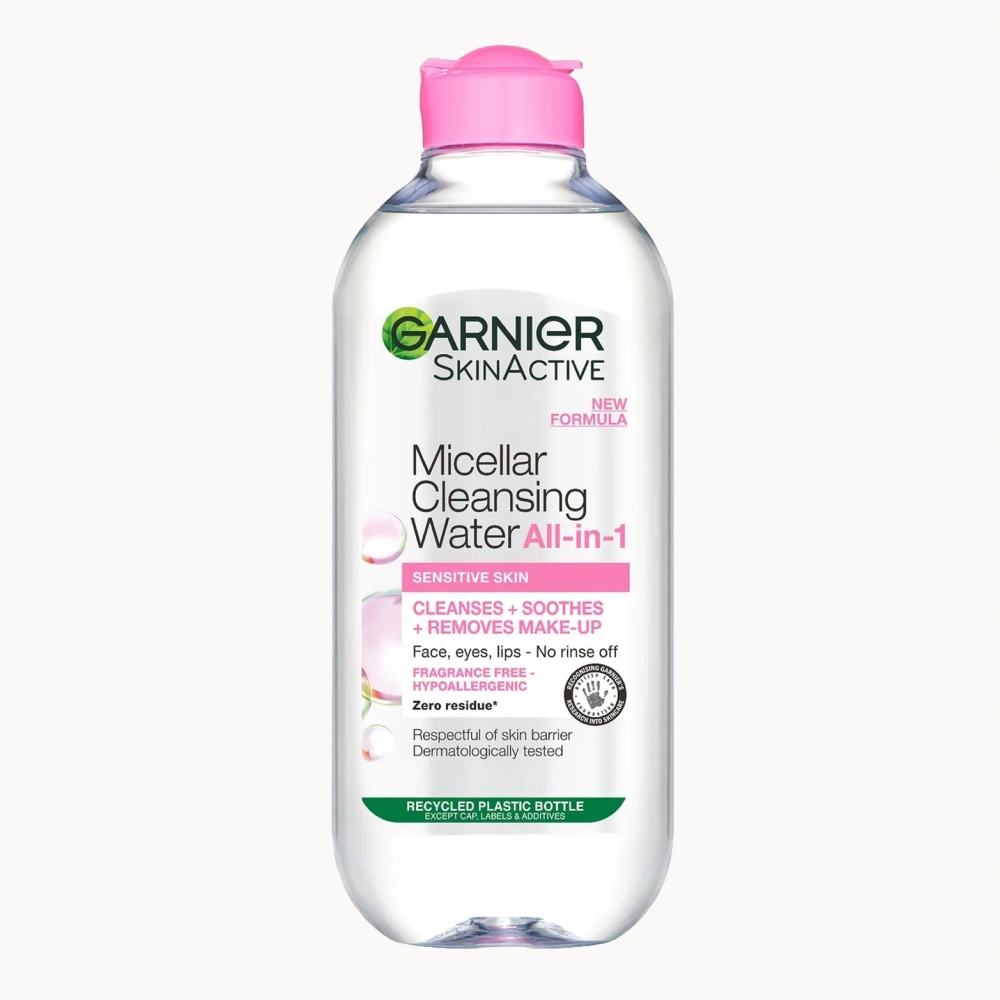
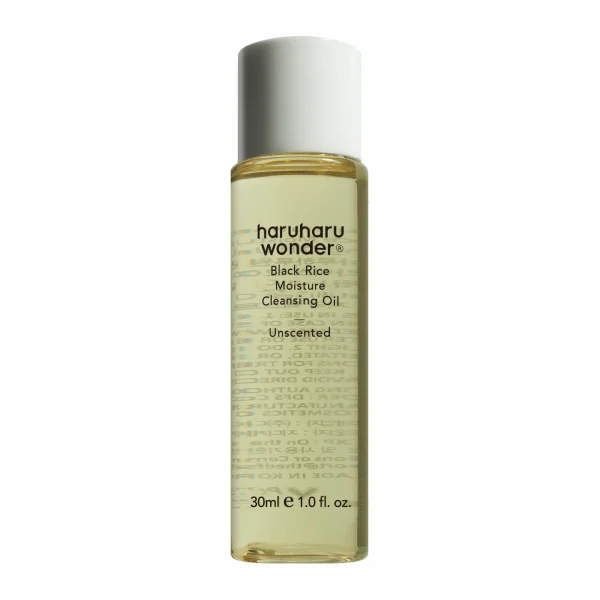
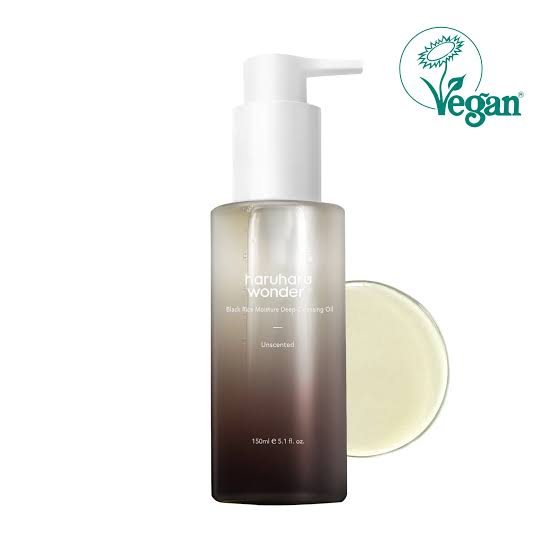
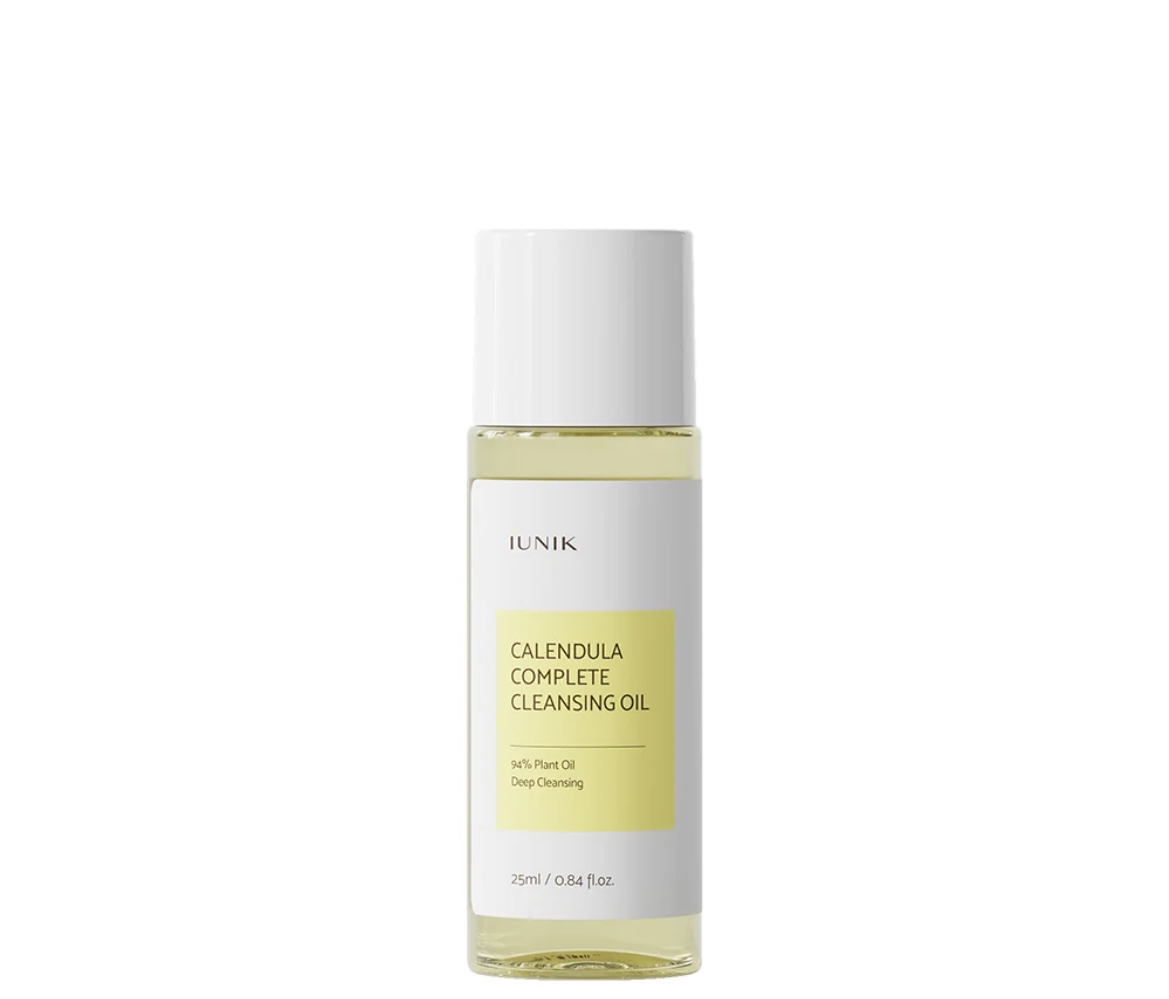
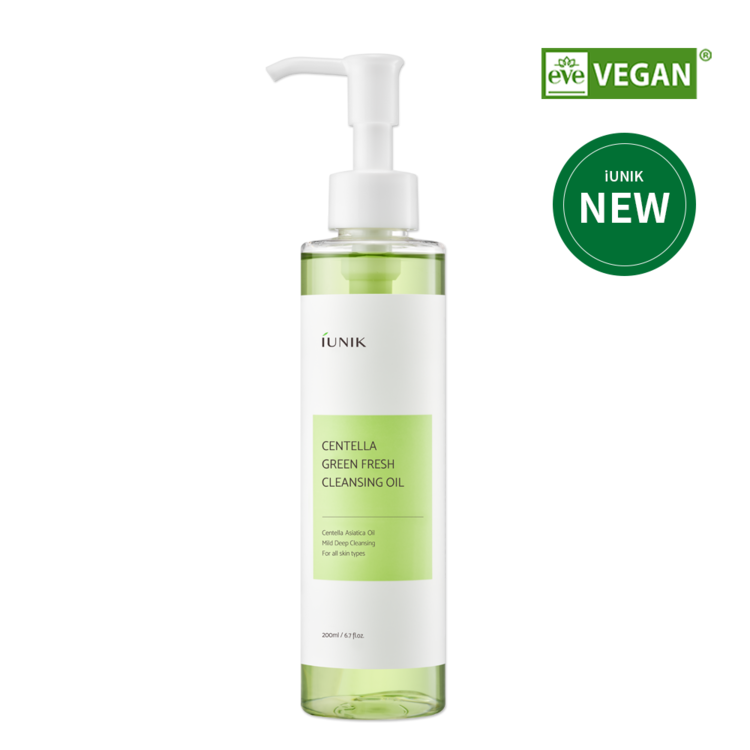
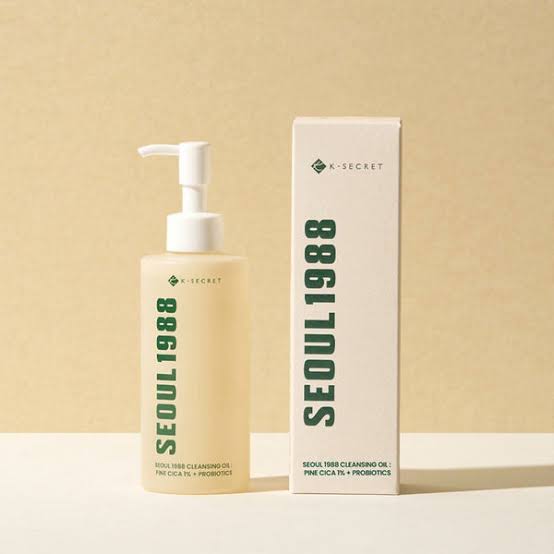
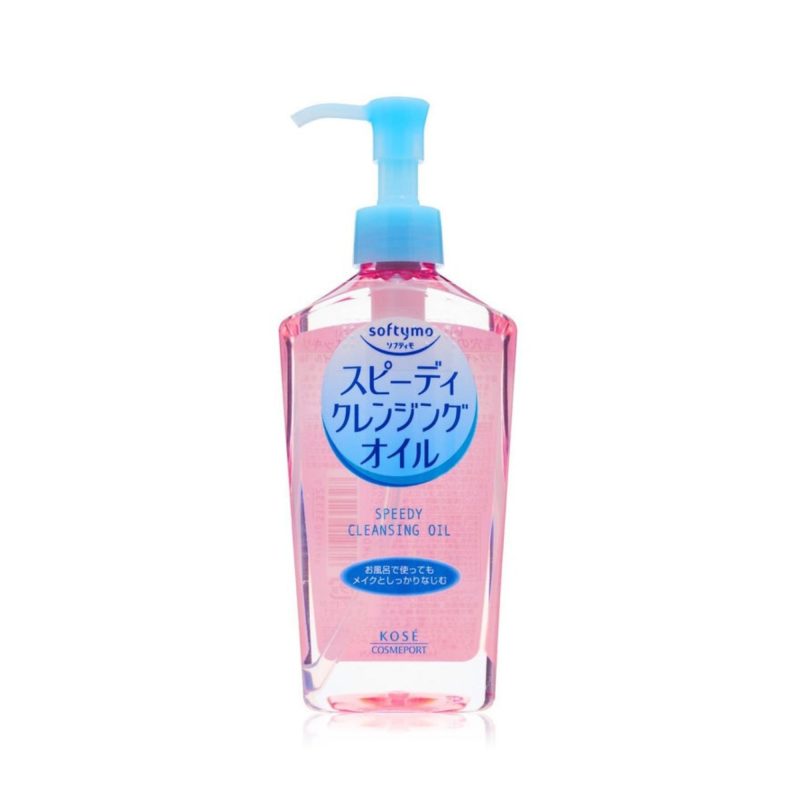
Cleansing Oil Price in Bangladesh: Double Cleansing, Skin Match, and Authentic Picks
A cleansing oil (ক্লিনজিং অয়েল) is a liquid first-cleanse product that dissolves sunscreen, sebum, and oil-based makeup. This page covers liquid cleansing oils only. Solid cleansing balms in jars live on our Cleansing Balm subcategory. Water-based face washes live on our Face Wash subcategory. Authentic Makeup Store BD has stocked imported cleansing oils since 2019. Every bottle clears our verification desk before listing. Below you will find BDT pricing, skin type match, application steps, and brand picks.
How much do cleansing oils cost in Bangladesh?
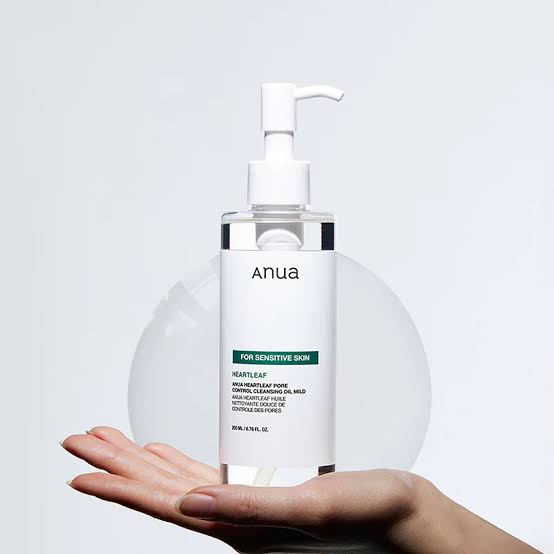
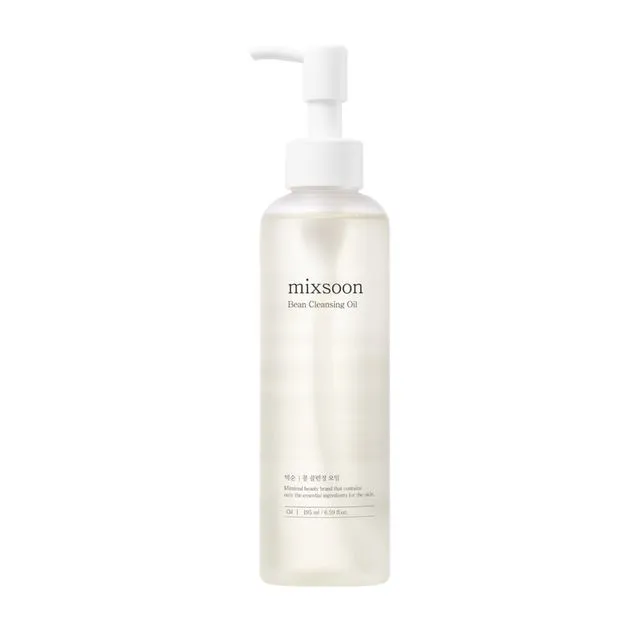
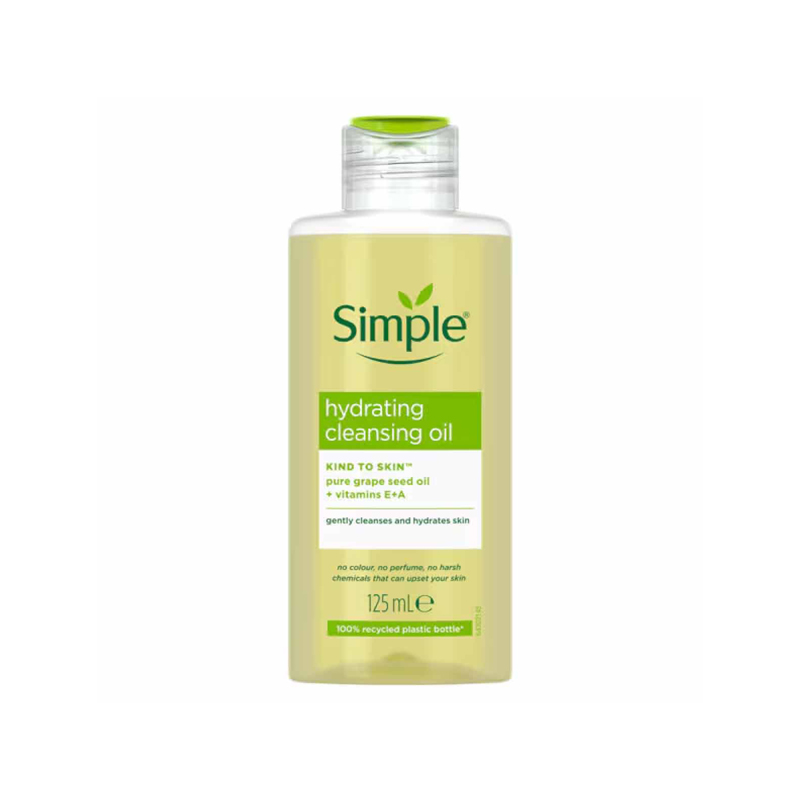
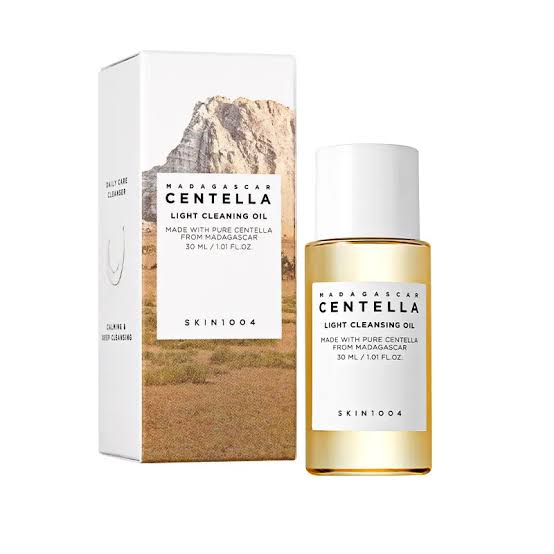
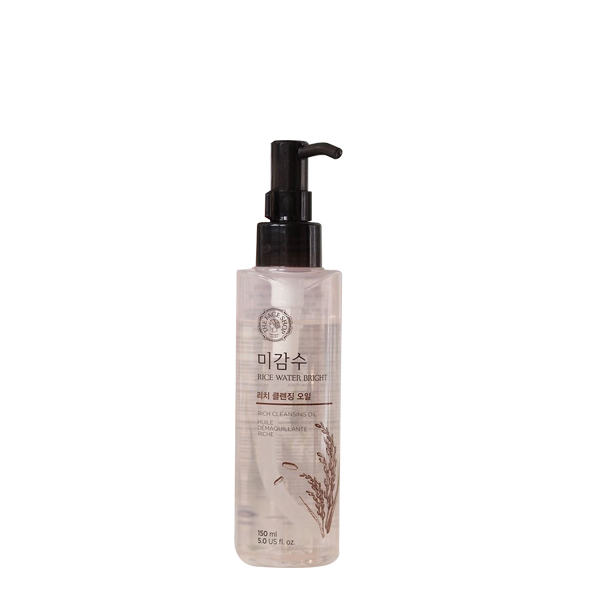
Cleansing oil prices in Bangladesh fall into four bands. BDT 400 to 800 covers Simple Hydrating, Lafz halal, and basic K-mass options. BDT 800 to 1,800 covers Beauty of Joseon, Anua Heartleaf, Skin1004, and The Face Shop Rice Water. BDT 1,800 to 3,500 covers DHC Deep Cleansing Oil, Hada Labo Gokujyun, and Klairs Gentle Black. BDT 3,500 plus covers Sulwhasoo and Tatcha.
Prices below reflect typical retail in Bangladesh as of [INSERT DATE] and are reviewed quarterly.
| Price Tier (BDT) |
Typical Brands |
Base Oil Type |
Active Strength |
Best For |
| 400–800 |
Simple, Lafz halal, basic K-mass |
Synthetic ester or light plant |
Basic cleansing |
Beginner, occasional makeup |
| 800–1,800 |
Beauty of Joseon, Anua, Skin1004, The Face Shop |
Plant oil + plant extracts |
Targeted skin benefits |
Daily PM use |
| 1,800–3,500 |
DHC, Hada Labo, Klairs Gentle Black |
Olive or plant blend |
Antioxidants + emollients |
Heavy SPF/makeup removal |
| 3,500+ |
Sulwhasoo, Tatcha, Shu Uemura |
Premium plant or hybrid |
Spa-grade actives |
K-beauty enthusiast |
The tiers are not a value ladder. A BDT 1,200 Anua Heartleaf cleanses oily skin in Dhaka monsoon as well as a BDT 3,000 luxury option. The premium pays off for specific ingredients like ginseng or black sesame. Pick by skin type and ingredient need, not by price alone.
BDT-per-use math for cleansing oils
Size matters because cleansing oil is a daily product. A 200ml DHC bottle at BDT 2,000 gives roughly 60 uses, or BDT 33 per use. A 100ml mid-tier bottle at BDT 1,500 gives 30 uses, or BDT 50 per use. A 30ml travel size at BDT 800 runs out in 10 uses, which is BDT 80 per use. Authentic Makeup Store BD lists per-use estimates on premium SKUs so the math is visible at checkout.
Do I need a cleansing oil if I already use a face wash?
The short answer is yes if you wear daily SPF, makeup, or live in a high-pollution city. Face wash is water-based and cannot fully break down oil-based residues. Cleansing oil removes SPF, sebum, and makeup. Face wash then removes sweat and water-based grime. Using both in sequence is called double cleansing.
Dhaka buyers usually need cleansing oil more than buyers in dry climates do. Daily SPF 30 to 50, heavy pollution, and high sebum from heat all leave a film. Water and surfactant cannot fully remove that film. Skipping the first cleanse means makeup remnants and SPF sit on skin overnight, which clogs pores and triggers breakouts.
When you do not need a cleansing oil
Skip cleansing oil if you do not wear daily SPF, do not wear makeup, and your skin produces low sebum. A simple face wash handles dry-skin or older-skin routines without an oil step. AC-bound buyers in Dhaka and Chattogram with light makeup can use face wash alone. One weekly cleansing oil session still helps clear pollution buildup.
What is the difference between a cleansing oil and a cleansing balm?
A cleansing oil is liquid at room temperature. A cleansing balm is solid in the jar and melts on warm skin contact. Both dissolve oil-based residues. The format choice depends on travel needs, climate, and texture preference. Cleansing oils work better for daily fast use. Cleansing balms suit slower spa-style routines.
Cleansing oils dispense with a pump and spread quickly, which makes them better for tired-end-of-day cleansing in Dhaka humidity. Cleansing balms need finger scoop and melt time. Many Dhaka summers melt balms inside the jar, making them runny and harder to control. Cleansing oils stay liquid year-round, which is one reason they dominate the BD K-beauty shelf.
How do I use a cleansing oil correctly?
Cleansing oil goes on dry skin, never wet. Dispense 2 to 3 pumps, massage into face and neck for 60 seconds, then add a splash of water with your fingers and keep massaging. The oil turns milky white. This is called emulsification. Rinse with lukewarm water until skin feels clean but not stripped. Follow with a face wash.
The dry-skin rule is the single biggest mistake we see in Bangladesh. Applying cleansing oil to wet skin breaks the oil-to-makeup binding before it can dissolve anything, so SPF and sebum stay on skin. The 60-second massage matters too. Most buyers rush through in 10 seconds, which leaves residue. If the oil never turns milky when water is added, the product may be old or the wrong formulation.
Which cleansing oil suits your skin type?
The right cleansing oil depends on your skin type. Oily and combination skin does best with plant oils like sunflower or jojoba plus calming extracts. Dry skin needs richer plant oils with antioxidants. Sensitive skin needs fragrance-free options with calendula or centella. Acne-prone skin needs non-comedogenic plant oils with heartleaf or green tea. Mature skin benefits from olive oil bases with ginseng or rice bran.
| Skin Type |
Best Oil Class |
Key Ingredients |
Typical Price (BDT) |
| Oily / combination |
Plant oil with green tea or heartleaf |
Sunflower, jojoba, heartleaf, green tea |
800–2,200 |
| Dry |
Rich plant oil with antioxidants |
Olive, sweet almond, black sesame, vitamin E |
1,200–3,000 |
| Sensitive |
Plant oil with calendula or centella |
Calendula, centella, jojoba |
1,000–2,500 |
| Acne-prone |
Non-comedogenic plant oil with light extracts |
Jojoba, heartleaf, green tea |
1,000–2,500 |
| Normal / mature |
Balanced plant oil with rich base |
Olive, rice bran, ginseng |
1,500–3,500 |
Oily skin needs cleansing oil too. We hear this misconception every week at Authentic Makeup Store BD. Buyers with oily skin avoid cleansing oils thinking oil makes oil worse. The opposite is closer to true. Oil dissolves oil. A water-based face wash cannot fully break down the day’s sebum and SPF. That is why oily skin in Dhaka often stays congested even after washing. The fix is a non-comedogenic plant-oil cleanser.
The base oil class shapes who the product suits. Plant oils like olive, jojoba, and sunflower deliver fatty acids and antioxidants. Mineral oils sit on skin and clean without penetration, which suits very sensitive types. Hybrid blends mix both for a lighter daily feel.
| Base Oil |
What It Does |
Comedogenic Risk |
Best For |
Price (BDT) |
| Plant oil (olive, jojoba, sunflower) |
Cleanses while delivering antioxidants and fatty acids |
Low to medium |
All skin types with right oil choice |
800–3,500 |
| Mineral oil (paraffin-based) |
Cleanses without skin penetration |
Very low |
Sensitive, acne-prone |
600–2,000 |
| Hybrid blend (plant + mineral) |
Combines cleansing power with light feel |
Low |
Combination, beginners |
800–2,500 |
Dhaka pollution and humidity make plant-oil cleansers the workhorse choice in Bangladesh year-round. Buyers in Chattogram, Sylhet, Rajshahi, and Khulna face the same humidity and SPF habit. Pick a
Recently added cleansing oil picks in Bangladesh ([INSERT YEAR])
Three cleansing oil trends are shaping the Bangladesh shelf right now. Korean ginseng and heartleaf oils led by Beauty of Joseon and Anua have grown fastest since 2024. Jelly-to-oil hybrids like Innisfree Chestnut LHA Jelly have moved into the mid tier at BDT 1,400 to 1,800. Halal-certified cleansing oils from Lafz have gained share at Authentic Makeup Store BD with buyers who want alcohol-free options.
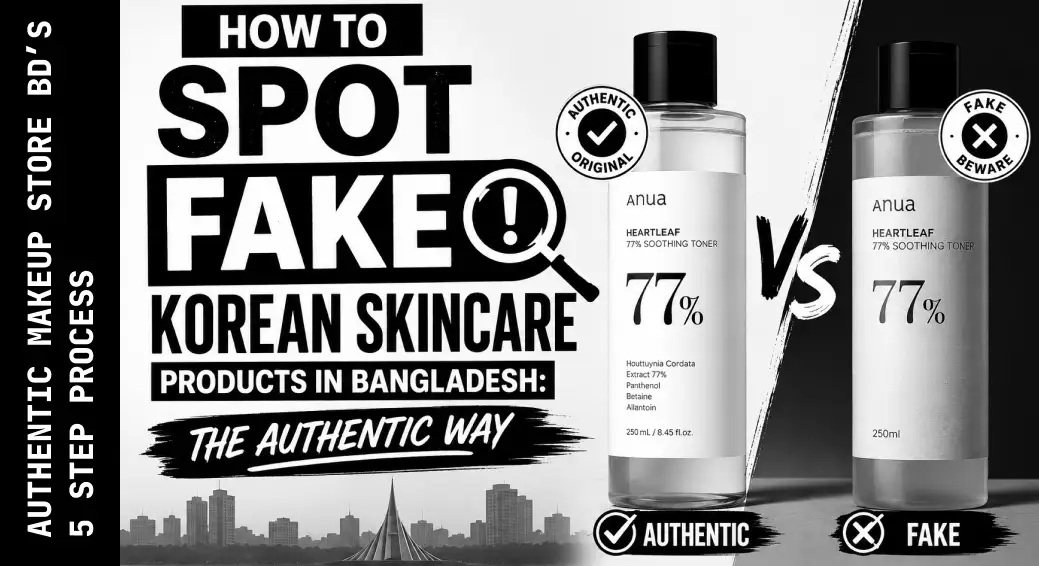
How do you know your cleansing oil is real in Bangladesh?
A real cleansing oil matches the brand’s stated viscosity, pump quality, scent, batch code, and foil seal. Fakes in Bangladesh usually slip on pump weight and oil colour. The price floor is the cleanest signal. A DHC Deep Cleansing Oil 200ml sold under BDT 1,200 is almost certainly fake.
The most-faked cleansing oils in Bangladesh
Our verification desk has rejected fakes for the same names every month for years.
DHC Deep Cleansing Oil is the single most-faked cleansing oil in Bangladesh by volume. Fake 200ml bottles sell at BDT 600 to 900 on general marketplaces. The real import floor at Authentic Makeup Store BD is BDT 1,800 plus. Fake bottles often have lighter pale colour, weaker rosemary scent, and runnier texture.
Banila Co Clean It Zero Cleansing Oil is heavily cloned. Fake bottles run thinner with no foil seal and weak fragrance. The real version at Authentic Makeup Store BD sits at BDT 1,500 plus. Fake versions confuse buyers because the balm version of the same brand is more famous.
Innisfree Green Tea Cleansing Oil is the most-faked Korean cleansing oil at the mid tier. Fake bottles have weaker green tea scent, wrong pump weight, and a slightly different bottle finish. Real Innisfree imports start at BDT 1,200 plus.
| Product |
Real Price Floor (BDT) |
Fake Price (BDT) |
How to Spot the Fake |
| DHC Deep Cleansing Oil 200ml |
1,800–2,500 |
600–900 |
Lighter colour, weak rosemary scent, runnier texture |
| Banila Co Clean It Zero Cleansing Oil |
1,500–2,000 |
500–800 |
Wrong scent, thinner viscosity, no foil seal |
| Innisfree Green Tea Cleansing Oil |
1,200–1,800 |
400–700 |
Weaker green tea scent, wrong pump weight |
What Authentic Makeup Store BD checks before listing
- Direct import paperwork from the brand owner or authorised distributor.
- Bottle, pump, and dropper weight against the brand’s published spec.
- Foil seal integrity, batch code traceability, and shrink-wrap finish.
- Scent, colour, and viscosity against a known-real reference held at our desk.
- Hologram placement and print quality on premium SKUs.
The price-floor rule is the cleanest check a buyer can run without lab tools. DHC 200ml under BDT 1,200. Banila Co under BDT 900. Innisfree Green Tea under BDT 700. Any of those is almost certainly fake. That is the single rule we tell buyers in Dhaka, Chattogram, Rajshahi, and Khulna when they ask about marketplace deals.