

Blog
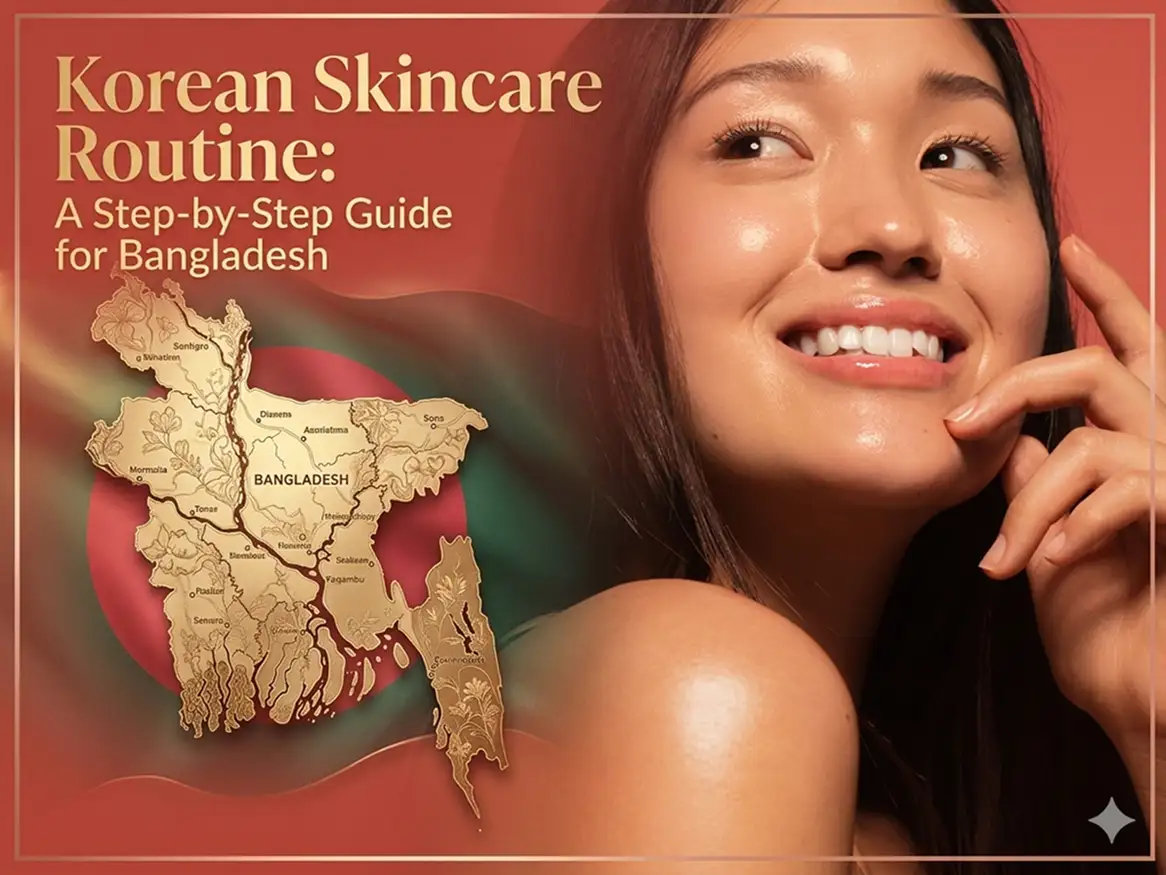
Most people who message us about a Korean skincare routine (কোরিয়ান স্কিনকেয়ার রুটিন) picture the same thing: ten bottles on the shelf, all used every night. We sell these products, and we’ll be straight with you. That ten-step version is unnecessary for almost everyone, and in Dhaka’s humidity it can leave oily skin greasier and more broken out than when you started.
So this is the routine stripped down to what actually works in Bangladesh. We’ve used it ourselves and watched customers run it through a few proper Dhaka summers. You’ll get the full order, what each step is for, and the four steps that matter if you do nothing else.
What is the Korean skincare routine?
A Korean skincare routine is a multi-step skincare method. You apply several products in a set order, and each one does a single job. The first step is cleansing; the last is sunscreen. The famous version has ten steps, but the logic is simple. You clean the skin, add hydration in light layers, treat a specific concern, seal it with moisturizer, then protect it with sunscreen every morning.
This is a common misconception that “Korean skincare routine strictly tells to use Korean products only. but this is false! The routine is a philosophy focusing on hydration, gentle skin barrier support and nourishing formula’s. You can build the routine with any product from any country”.
Here is what each part is and does:
- Oil cleanser: removes makeup, sunscreen, and oil at night.
- Water-based cleanser: washes off sweat and dirt. With the oil cleanser, this is the “double cleanse.”
- Exfoliant: clears dead skin cells, once or twice a week.
- Toner: rebalances your skin’s pH and adds the first layer of hydration.
- Essence: a light, watery hydrator that helps the products after it absorb better.
- Serum or ampoule: a concentrated treatment for one concern, like dark spots, acne, or fine lines.
- Sheet mask: a quick hydration boost, a few times a week.
- Eye cream: a gentle moisturizer for the thinner skin around your eyes.
- Moisturizer: seals in every layer applied before it.
- Sunscreen: the morning-only final step that protects all of it from UV damage.
You won’t use all ten every day, and most people never need to.
Why does the Korean skincare routine work?
It works because the whole routine is built around prevention. Instead of waiting for acne or dark spots to appear and then attacking them, the routine keeps your skin barrier strong and hydrated so those problems are less likely to start [1].
This is also where “glass skin” comes from. It isn’t a single product. Glass skin is skin that holds enough water on the surface, with a healthy barrier underneath keeping that water from drying out. We’ve watched customers spend big on one “glass skin” serum and see nothing, because they skipped the daily hydration and sunscreen that do the real MAGIC.
Because the routine leans on gentle ingredients that hydrate rather than strip, it suits sensitive skin well [3].
Dr. Vij at Cleveland Clinic makes the same point: Korean skin care products hydrate while helping with signs of aging and evening out tone over time [4].
The Korean skincare routine, step by step
Here is the full order of the K-Beauty skincare routine, with what each step does and where to cut off for Dhaka weather. The Korean skincare night routine is the long one. Mornings are shorter, because you skip the double cleanse and add sunscreen.
Step 1: Oil cleanser (night only)
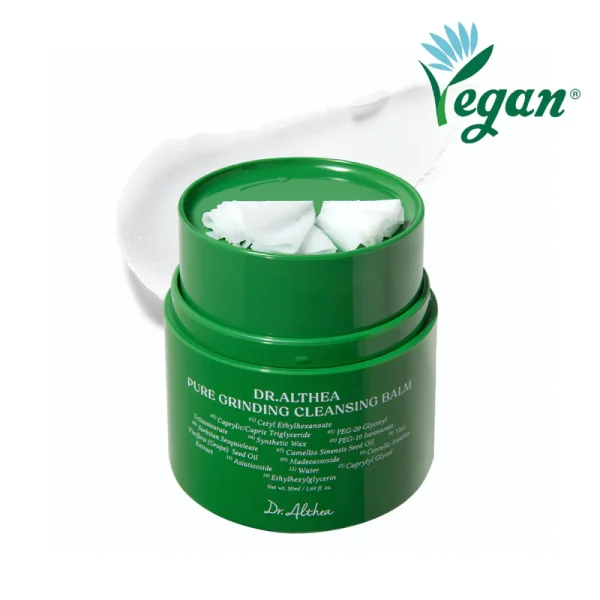
This is the first half of the double cleanse, at night only. An oil or balm cleanser cleans what a normal face wash leaves behind: sunscreen, makeup, and the oil and pollution your skin collects on a Farmgate or Mohakhali commute.
Oil and balm cleansers do the same job, they just feel different. An oil cleanser is runny and fast. A balm cleanser is solid in the jar and melts as you apply on your skin, a bit gentler and better for dry skin. Go with whichever you prefer.
How to apply the oil cleanser:
- Massage into dry skin for a minute
- Add a splash of water until it turns milky
- Then wash your face and pat dry
In Dhaka if you wear sunscreen daily, you must use the oil cleanser. Because, one face wash won’t fully remove modern SPF, and that leftover is a common reason pores clog here.
Explore all authentic cleansing balms in Bangladesh
Step 2: Water-based cleanser
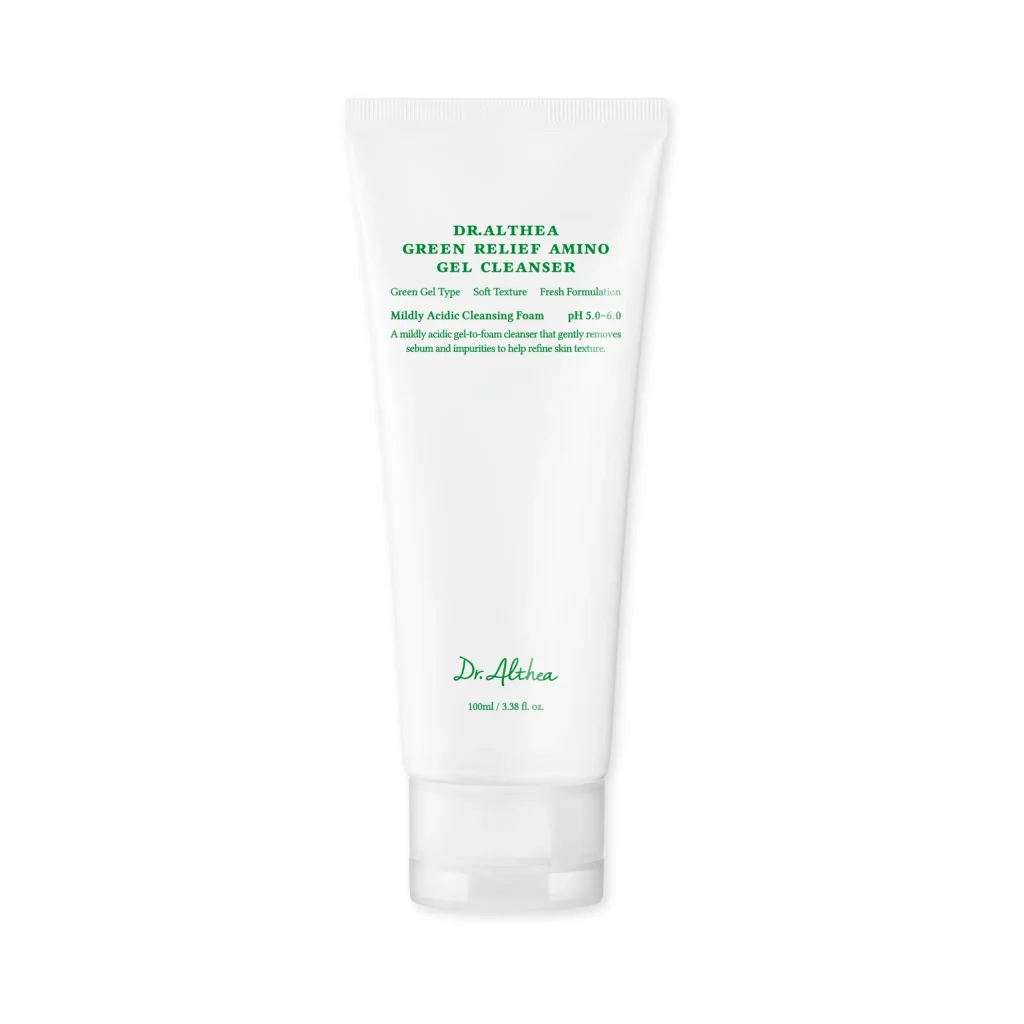
After the oil cleanser, you wash again with a water-based gel or foam cleanser. The oil cleanser handled makeup and oil; Water-based cleanser takes off sweat, dirt, and oily residue. That’s the point of cleansing twice.
Go for a low-pH cleanser, around 5.5, close to your skin’s natural acidity. High-pH foaming facewashes leave your face SQUEAKY-CLEAN but strip that balance and dry you out. This matters more in Bangladesh because our tap water quality is very poor. We’ve had customers blame a cleanser for breaking them out when the real problem was hard water plus a harsh formula. Switch to low pH and most of that dryness will go away.
How to use the water-based cleanser:
- Take a small amount of the cleanser
- Add water into it and mix until it foams
- Massage onto wet skin
- Wash with lukewarm water
In the morning, this is your only cleanse. You do not have to double cleanse in the morning.
Explore all authentic Korean cleansers in Bangladesh
Step 3: Exfoliant
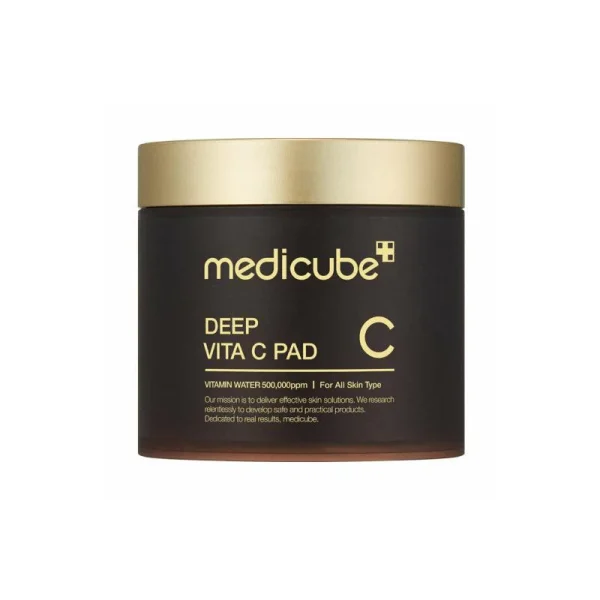
Exfoliating clears dead skin cells. Exfoliant brightens dull skin and helps it absorb products better. Most Korean exfoliants are made of chemical acids like AHA, BHA, or the gentler PHA, not grainy scrubs.
This is a once or twice a week step, not daily, no matter how grimy your skin feels by afternoon. Over-exfoliating is the most common mistake we see: people scrub daily chasing “glass skin,” destroy their skin barrier, and end up red and stinging. If your face starts burning when you apply the exfoliant, back off to “ONCE A WEEK”.
How to use the Exfoliant:
- Take a pea-sized amount
- Apply all over your face
- Let it sit for 30-60 seconds
- Wash with lukewarm water
- Gently pat the skin dry
One thing that matters in Dhaka: acids make your skin more sensitive to the sun. Exfoliate at night, and never skip sunscreen the next morning, or you’ll get more dark spots, not fewer.
Step 4: Toner
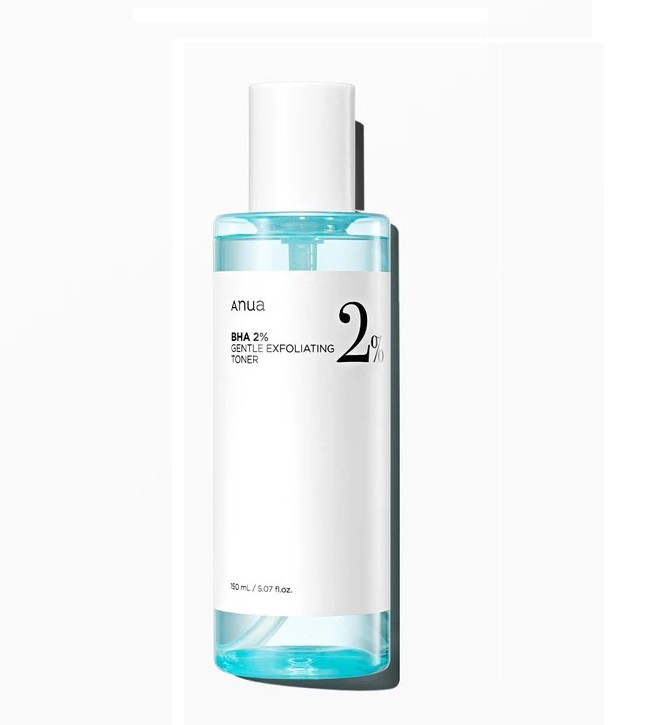
Forget Western toners. Korean toners aren’t stinging, alcohol-heavy astringents. They’re hydrating, and they rebalance your skin’s pH after washing.
How to use Korean toners:
- Pour a few drops of toner onto your hand
- Gently pat on your skin until its fully absorbed
Apply with clean hands, patting it in, rather than a cotton pad. You waste less and cotton can drag on the skin. If your skin is thirsty, especially after a day in office AC, try the 7-skin method: layer the same hydrating toner two or three times, patting each one in. Skip exfoliating toners unless your skin handles acids daily.
Explore all authentic Korean toners in Bangladesh
Step 5: Essence
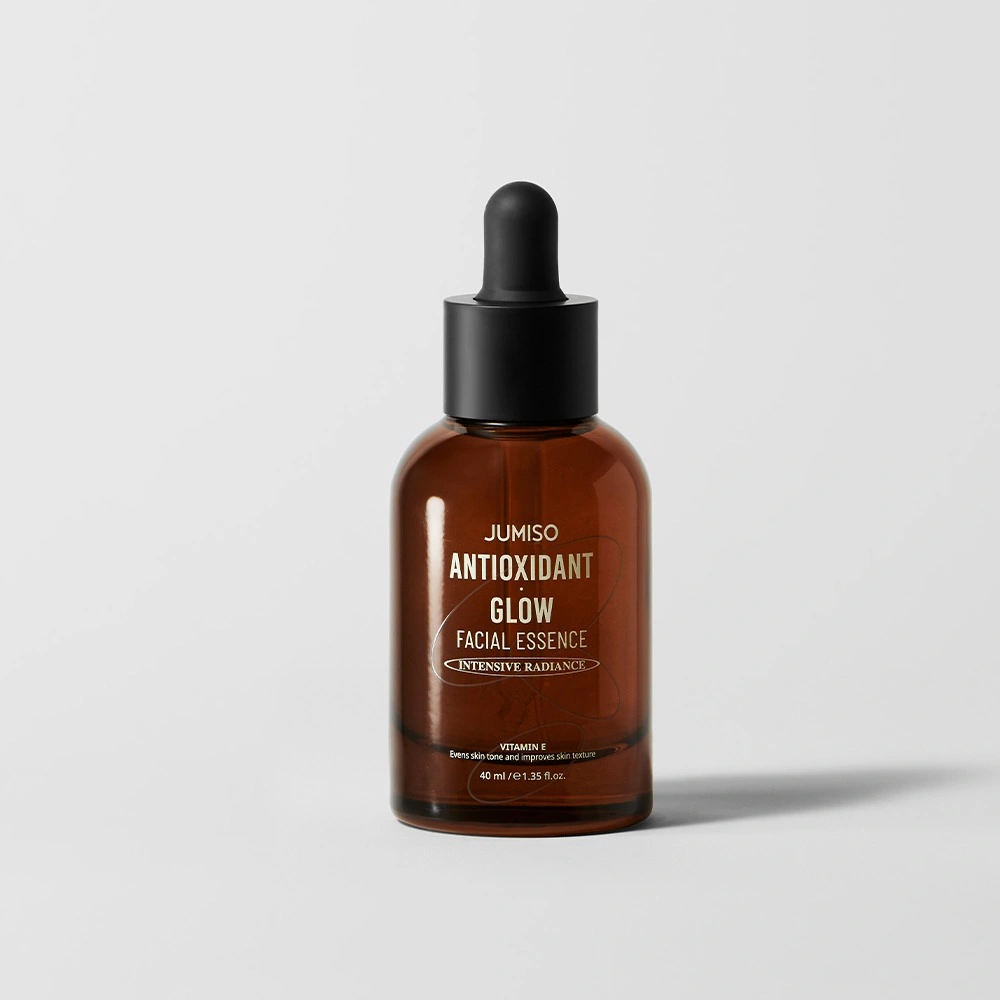
Essence is the step most people skip, and the one we consider most impactful. It’s a light, watery layer that absorbs fast and helps everything after it absorb better.
How to use essence:
- Pour the right amount you need on your palm
- Rub your hands together to distribute all over your palms
- Rub till the essence is warm
- Gently pat and press until it is absorbed
Look for fermented ingredients in your essence like galactomyces or bifida. Fermentation breaks the molecules down small enough to absorb easily, and it adds antioxidants and amino acids that support your skin barrier and microbiome [5]. In a Dhaka summer, this can be your whole moisturizing step. On a sticky July night when a cream feels like too much, two layers of essence may be all your skin wants. We’ve done exactly that on our oily-skin testers.
Explore all authentic essence in Bangladesh
Step 6: Serum or ampoule
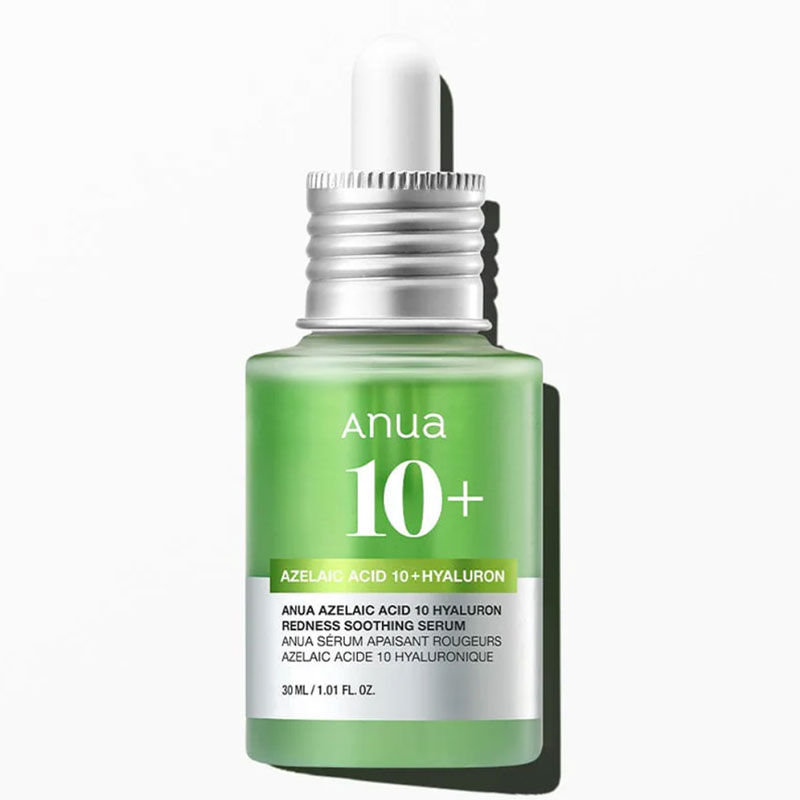
This is your skin wise targeted step. Pick a serum for the one skin problem you want to change, and don’t think about solving more than one or two problems with one serum.
Got dark spots or old acne marks? Vitamin C, usually 10 to 20% as L-ascorbic acid, fades marks over weeks. One warning for Dhaka: it oxidizes fast in heat, so if it turns dark orange; it’s done. Oily or congested skin does well with niacinamide; around 4 to 5% of it controls oil without causing more problems, while 10% can sting sensitive skin. For fine lines, retinol or peptides speed up cell turnover over months, so start two nights a week and build slowly.
How to use the serum:
- Take 3-4 drops on your palm
- Rub the product all over and warm it up
- Gently pat and press on your face
Two K-beauty favorites: snail mucin is full of proteins and hyaluronic acid that repair the barrier and fade marks over time. Centella, sold as cica, settles redness and helps blemishes heal. Ampoules are just stronger serums, better for a stubborn concern. Most people don’t need one daily.
Explore all authentic serums in Bangladesh
Step 7: Sheet mask
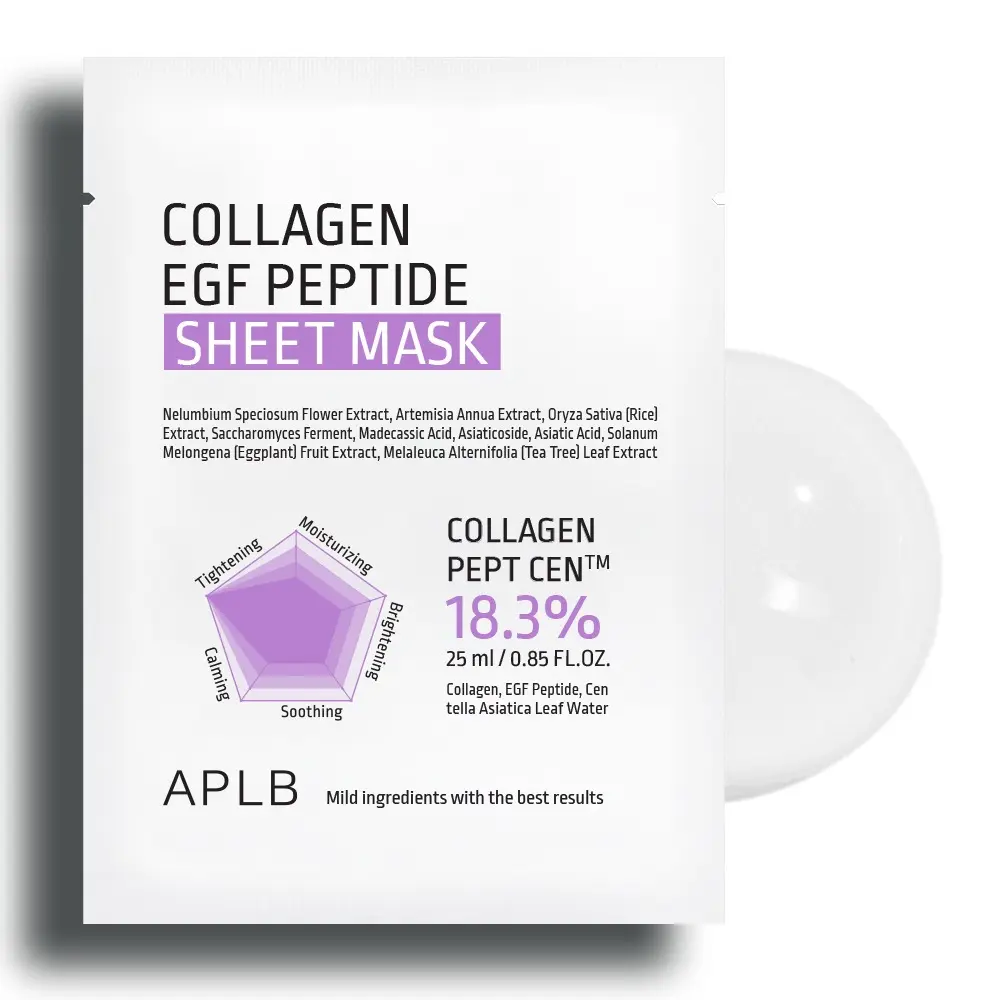
A sheet mask is a quick hydration hit, not a daily essential. You leave it on for 15 to 20 minutes, a few times a week.
How to use a sheet mask:
- Gently massage the unopened pouch to distribute the serum all over the mask
- Take the mask out and apply on your face lining up with the cut-outs
- Smooth out any air bubbles on the mask
- Do not leave the mask on for more than 15-20 minutes
Our favorite Dhaka trick: keep them in the fridge. During load-shedding, when the AC is off and your face is oily and greasy, a chilled mask cools you down and de-puffs at once. Don’t leave it on past 20 minutes, though. Once it dries out, it pulls moisture back off your skin.
Explore all authentic sheet mask in Bangladesh
Step 8: Eye cream (optional)
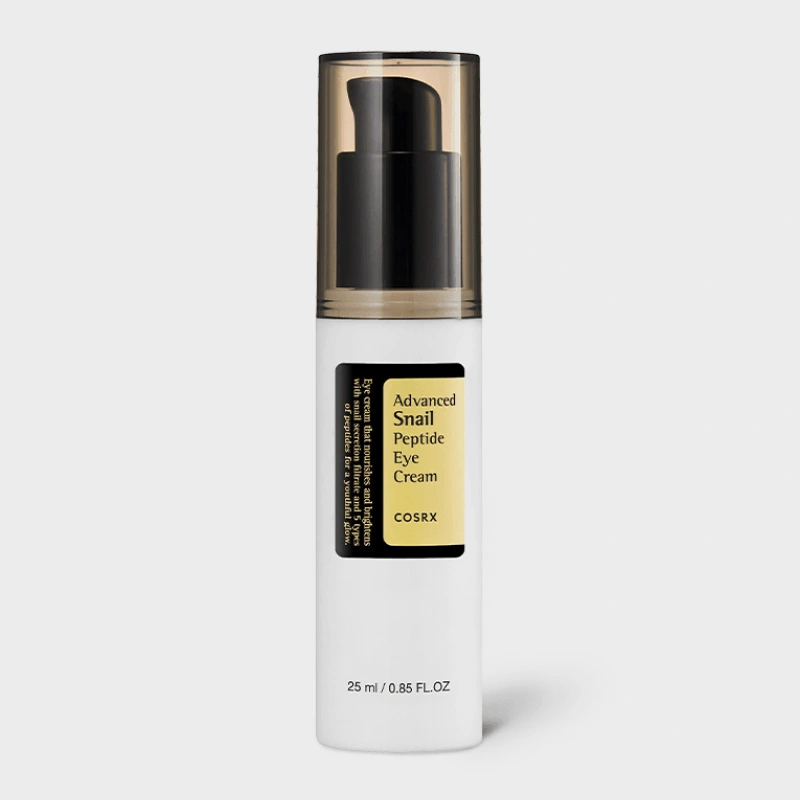
This step is skippable for a lot of people. The skin around your eyes is thinner and shows fine lines and puffiness earlier, and an eye cream is a gentle moisturizer made for that area.
How to use eye cream:
- Squeeze out a small amount of cream on your palm
- Tap the cream lightly between your ring fingers
- Gently dot the cream around the orbital bone
- Pat the cream gently with ring finger on the area
- Wait for 2 minutes before applying any other product
If your regular moisturizer feels fine there and you have no concern, you do not need a eye cream. If you have dark circles or early lines, it’s worth adding.
Explore all authentic korean eye cream in Bangladesh
Step 9: Moisturizer
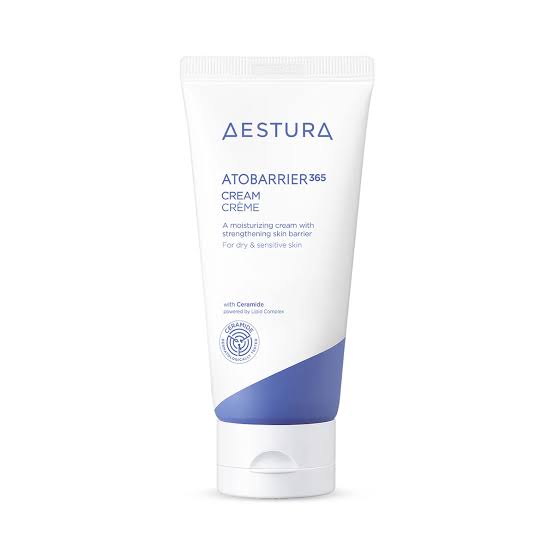
This is the step that can make or break your whole routine. All those watery layers evaporate if you don’t seal them, and that’s the moisturizer’s job. Every skin type needs one, oily included.
How to use moisturizer:
- Take a small amount of moisturizer on your fingertips
- Warm it up by rubbing fingertips
- Dab the moisturizer in small dots all over your face
- Gently pat and press on your skin
- Wait for 60 seconds before applying sunscreen
The trick in Dhaka is texture. In summer humidity a light gel is usually enough, while a heavy cream sits there feeling greasy. When office AC dries you out, switch to a richer cream. A lot of our oily-skinned customers think they should skip moisturizer. They shouldn’t, because skipping it makes oily skin produce even more oil.
Explore all authentic Korean moisturizers in Bangladesh
Step 10: Sunscreen, morning, the most important step
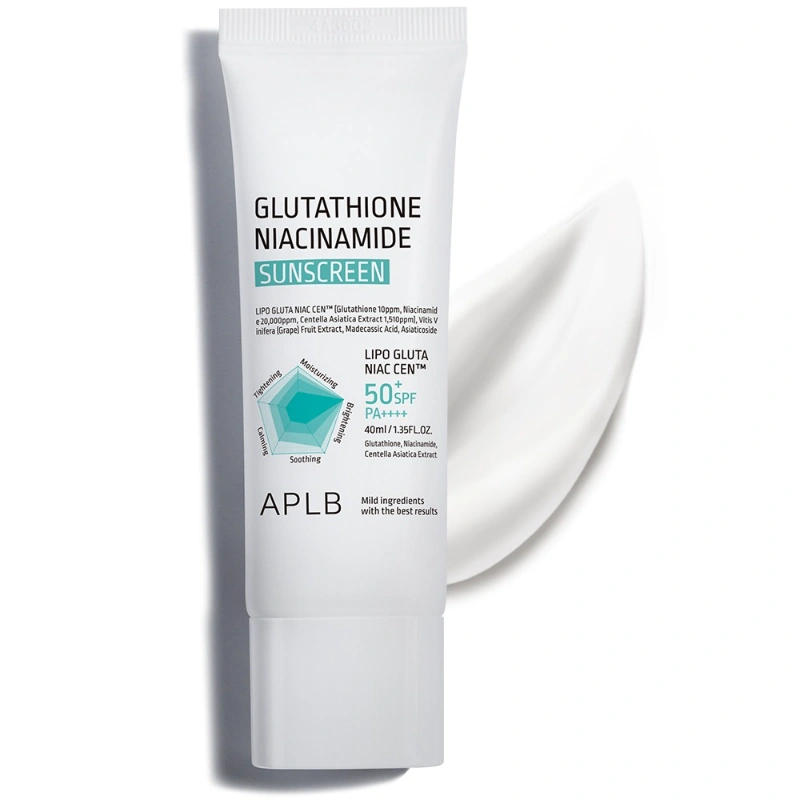
If you do nothing else on this list, do this. Sunscreen is the single most important step, and skipping it undoes everything above it. UV damage causes most dark spots, early lines, and dullness, and in Dhaka the sun is harsh year round.
See our guide on how to apply sunscreen in Bangla
Look for broad-spectrum protection: both SPF (for UVB) and a PA rating with plus signs (for UVA). SPF50 PA++++ is the standard to aim for. Reapply every two to three hours outdoors. One honest note for medium-brown skin: some sunscreens leave a white cast that takes minutes to settle, and a few never fully go. Newer Korean formulas are better about this, but test before you commit. Our full picks are in the best sunscreens for Bangladesh guide.
Explore all authentic korean sunscreens in Bangladesh
Put together, the order looks like this each day:
| Morning routine | Night routine |
| 1. Water-based cleanser | 1. Oil cleanser |
| 2. Toner | 2. Water-based cleanser |
| 3. Essence | 3. Exfoliant (once or twice a week) |
| 4. Serum | 4. Toner |
| 5. Eye cream (optional) | 5. Essence |
| 6. Moisturizer (light gel) | 6. Serum or ampoule |
| 7. Sunscreen | 7. Sheet mask (a few times a week) |
| 8. Eye cream (optional) | |
| 9. Moisturizer (richer) |
Do you actually need all 10 steps of the Korean Skincare Routine?
No. Most people get great skin from four steps:
- Step 1: Cleanser,
- Step 2: Toner
- Step 3: moisturizer, and
- Step 4: A sunscreen in the morning.
The other six are add-ons for when your skin has a specific need.
We see this confusion a lot. Someone buys all ten products at once, layers everything every night, and their skin gets worse instead of getting better, especially once Dhaka’s humidity kicks in. A four-step routine you keep up beats a ten-step one you quit after a week.
How to change the Korean skincare routine for your skin type
The ten steps stay the same. What changes is the texture you reach for and which steps you actually need.
Oily and acne-prone skin
This is the most common skin type we see here, and humidity makes it worse. The goal is to control oil without stripping your skin, because stripped skin pumps out more oil.
Keep everything lightweight: a low-pH gel cleanser, a watery toner, an essence in place of a heavy cream, and a gel moisturizer. Pick a sunscreen that dries matte. For breakouts, a BHA (salicylic acid) clears the clog, and pimple patches handle individual spots. One Dhaka warning: heavy oils and rich creams can feed fungal acne, those small uniform bumps on the forehead and chest that normal acne treatments don’t fix. If that’s you, keep it light and skip facial oils.
Dry skin (especially from office AC)
Dry skin in Dhaka is usually AC dryness. You sit in a cold, dry room all day and lose water even though the air outside is humid.
Swap the foaming cleanser for a cream or gentle low-foam one. Go easy on exfoliation, once a week at most. Lean into barrier ingredients: ceramides help your skin hold water and rebuild its barrier, and snail mucin layers on hydration while it repairs. Use a richer cream at night, and a sleeping mask on very dry days.
Combination skin
Combination skin means your T-zone gets oily while your cheeks stay normal or dry. Treat your face in zones: a gentle low-pH cleanser everywhere, then lighter products on the oily parts and richer ones on the dry. A gel on the T-zone and a thicker cream on the cheeks works well. One balanced gel-cream usually handles both, which suits our humidity anyway.
Sensitive skin
Sensitive skin stings, flushes red, or breaks out in bumps when you try something new. The rule is fewer steps, not more. Keep it to a gentle cleanser, a fragrance-free hydrating toner or essence, a calming moisturizer, and sunscreen, adding one new product at a time.
Centella (cica) calms redness and helps skin settle [4]. Hold off on strong actives like high-percentage vitamin C, acids, and retinol until your barrier is stable, and patch test on your jaw first. For sunscreen, a mineral formula (zinc oxide) usually irritates less, though it can leave a slight white cast on medium-brown skin.
Does the Korean skincare routine work in Dhaka’s humidity?
Yes, but you have to trim it. The full ten-layer routine was built for Korea’s cold, dry winters. In Dhaka’s heat, that many layers leaves your skin suffocated and greasy, and on oily skin it often triggers breakouts within a week.
So the version that works here is lighter. Drop the heaviest creams in summer, lean on watery essences and gel moisturizers, and never skip sunscreen. We’ve watched someone’s skin settle just by cutting their routine from nine products to five during a Dhaka June.
Two more local factors. Load-shedding heat ruins products: vitamin C oxidizes faster, masks feel unpleasant warm, and rich creams go runny, so we keep actives and masks in the fridge through summer. And in monsoon you sweat your sunscreen off by midday, so a sunscreen you actually reapply at SPF30 beats an SPF50 you put on once at 8am.
Common mistakes (and who should skip steps)
Most mistakes come from doing too much.
Over-exfoliating is the big one. Twice a week is plenty; daily scrubbing strips your barrier. Layering too much in the heat is next, so if your face feels heavy or breaks out, cut it back. Don’t mix retinol, vitamin C, and acids on the same night, because they irritate skin and cancel each other out. And never skip sunscreen, which undoes everything else.
The most expensive mistake is buying fakes. Korean skincare gets faked heavily on local resale pages and some marketplace sellers, and a fake sunscreen or vitamin C does nothing while you think you’re protected. Check batch codes, buy from sellers who guarantee authenticity, and if a price looks too good for an imported product, it usually is.
One honest thing: if you have a real skin condition like cystic acne, eczema, or rosacea, a ten-step routine isn’t your answer. See a dermatologist first. K-beauty is good for everyday skin health, but it can’t treat a medical condition.
Putting it together
That’s the routine, stripped down to what works in Dhaka. Start with four steps and add more only as your skin asks for it. We stock authentic Korean skincare at Authentic Makeup Store BD, every product checked for batch codes and guaranteed original. Have a look at our K-Beauty collection when you’re ready to build your routine.
Sources of Information

Skincare Expert